


Azerbaijan · Grade 1
Subject guide: Mathematics
Grade 1 maths: numbers to 20, adding and subtracting, shapes, measures and time. 5 hours a week.
Notebooks and supplies
- Squared notebook — 2 (one for class, one for homework), usually 12–18 sheets. Name, grade and subject go on the cover.
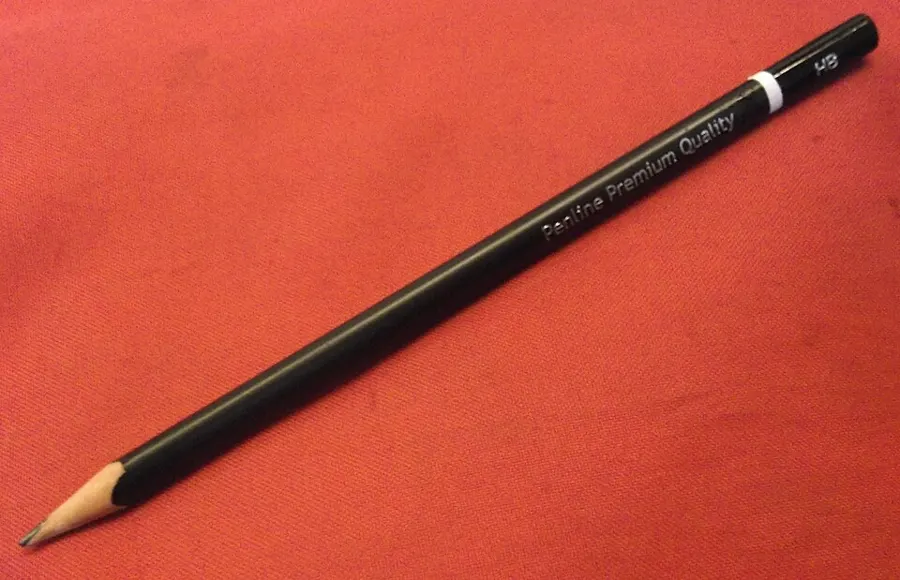
- Pencil (HB), eraser, sharpener; in Grade 1 children often write in pencil first — follow the teacher.
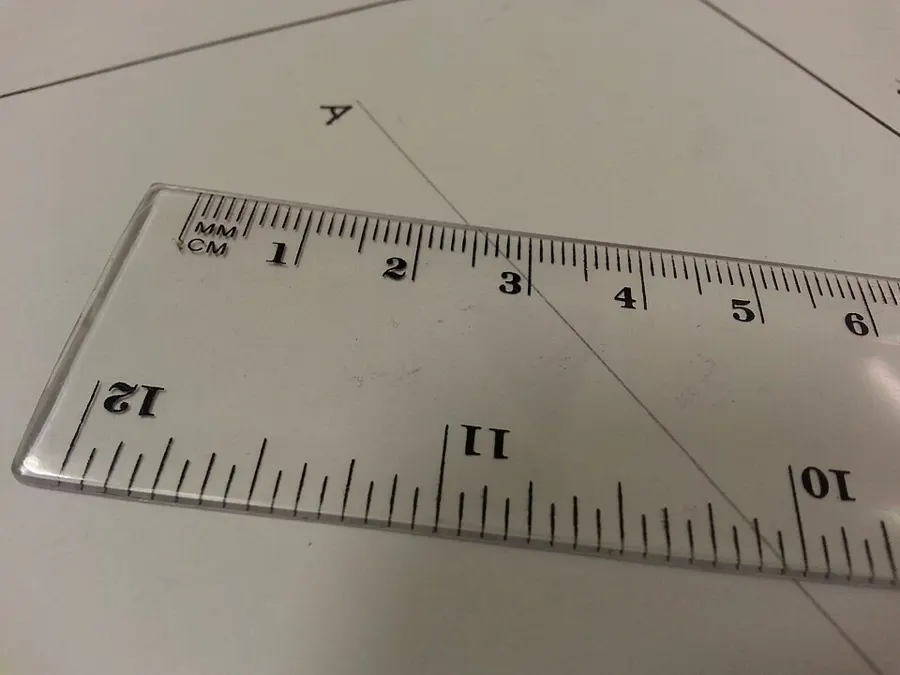
- Ruler 15–20 cm, coloured pencils.
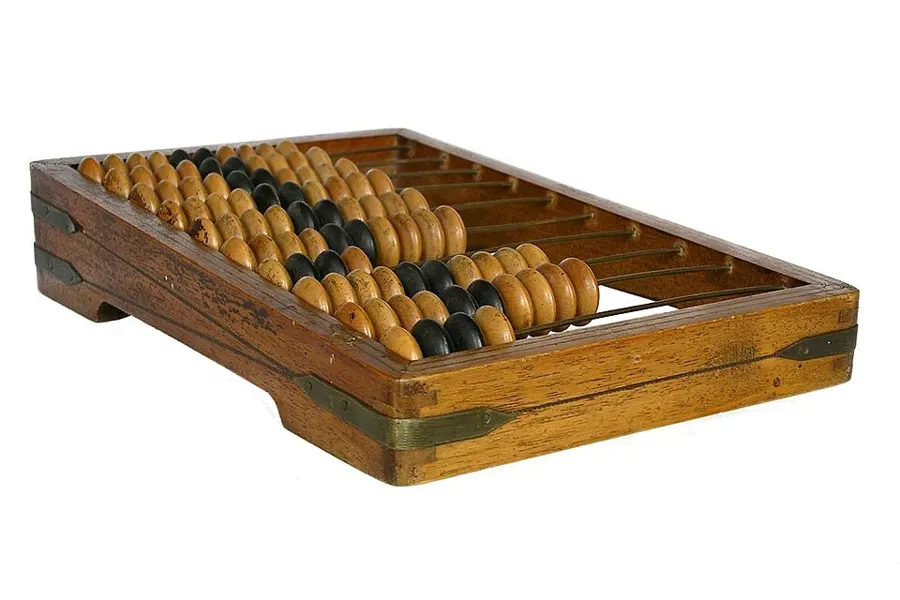
- Counting materials: counting sticks or cubes, number cards.
The teacher gives the exact list. The diagram below shows how to set up the notebook.
What is studied and what to do
- Numbers 0–20: counting, reading, writing, comparing (>, <, =), tens and ones.
- Adding and subtracting within 10, then 20; number bonds; simple word problems.
- Shapes: circle, triangle, square, rectangle; corners and sides.
- Measures and time: long–short, heavy–light, o’clock times, money.
What to do
- 10 minutes a day: 3–5 sums and one game.
- Show each new topic with objects first, then pictures, then writing.
- Teach checking: subtraction with addition.
Where it is used in real life
- At the shop: counting money and change.
- In the kitchen: setting plates and spoons for the number of guests.
- In games: adding points, comparing who is ahead.
- Time: “school at 8 o’clock” — reading the clock.
Diagrams
Calculators
Glossary of terms
| Term | Meaning |
|---|---|
| Number (ədəd) | Shows how many things there are. |
| Digit (rəqəm) | A sign used to write numbers: 0–9. |
| Addition (toplama) | Putting two groups together to find the total. |
| Addend (toplanan) | Each of the numbers being added. |
| Sum (cəm) | The result of addition. |
| Subtraction (çıxma) | Taking part away from a group. |
| Minuend (azalan) | The number you subtract from. |
| Subtrahend (çıxılan) | The number taken away. |
| Difference (fərq) | The result of subtraction. |
| Tens (onluq) | A group of 10 ones. |
| Ones (təklik) | A single unit. |
| Number line (ədəd oxu) | A line with numbers in order. |
| Corner / vertex (təpə) | Where two sides of a shape meet. |
| Side (tərəf) | A straight edge of a shape. |
 About cookies


