


Russia
Behaviour guide
The general rules are the same everywhere; local customs are shown separately below.
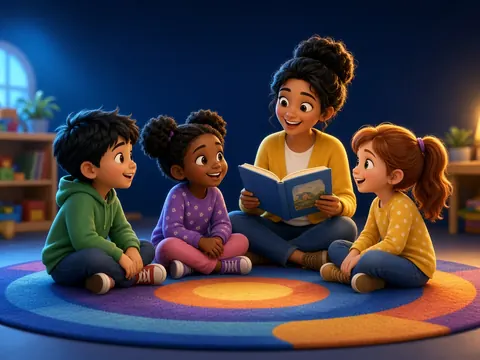
 How the student behaves
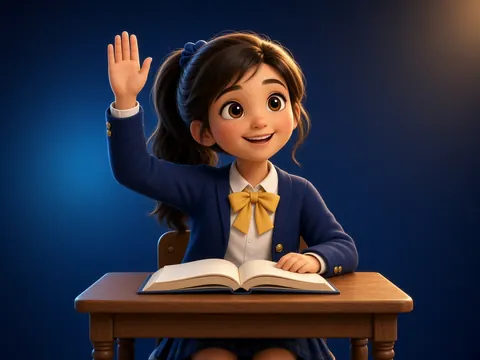
- Comes to class on time and packs the bag the evening before.
- Greets the teacher and classmates and speaks politely.
- Raises a hand to speak and waits for a turn.
- Listens to others, does not interrupt or laugh at them.
- Keeps the desk, notebooks and books tidy.
- Asks when something is unclear — that is smart, not shameful.
- If someone is being hurt, tells an adult — a teacher or a parent.
 Special in this country: Russia
Teachers are addressed by first name and patronymic, e.g. “Maria Ivanovna”. 1 September is Knowledge Day: children bring flowers.
 How the teacher behaves

- Treats every child with respect and fairness.
- States the lesson goal in simple words and checks the result at the end.
- Never shames a mistake; shows the right way instead.
- Keeps parents informed in good time — about problems and successes.
- Is responsible for children’s safety in class, in the yard and on trips.
Special in this country: RussiaThe class teacher records marks and notes in the pupil’s diary and the electronic diary.
 How the parent behaves
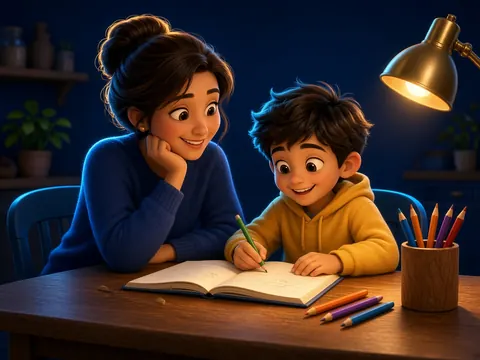
- Looks after the child’s sleep, breakfast and routine.
- Does not do the homework for the child — sits nearby and asks questions.
- Talks to the teacher respectfully and discusses disagreements away from the child.
- Attends parent meetings and reads school messages.
- Praises success, supports after mistakes and does not compare with other children.
- Keeps a sick child at home and lets the school know.
Special in this country: RussiaParents follow the electronic diary and attend parent meetings.
 How a child gets to school
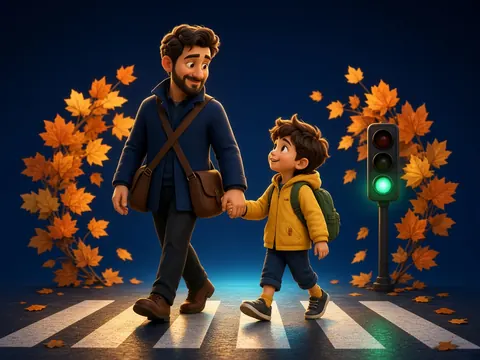
- A young pupil is taken by an adult or walks in a group.
- Crosses only at a crossing on green, looking both ways first.
- Does not look at a phone or wear headphones on the way.
- Knows a parent’s phone number by heart.
- Never gets into a stranger’s car or takes gifts from strangers.
Special in this country: RussiaFirst-graders are usually accompanied by adults; each school sets its own dress rules.


 About cookies