


A pupil’s school day around the world
Russia
How a pupil gets to school, what the classroom and timetable are like, what is taught and by whom, what they wear, what goes in the bag, and how they prepare and spend time after school.
How children get to school
- Parents usually walk first-graders to school; later children often walk to the nearby school on their own.
- In towns — on foot, by bus, tram or metro; in rural areas a school bus often brings the children.
- In winter the trip takes longer, so leave early.
A typical school day
 Children arrive in the morning; many schools expect children to change into indoor shoes.
 In primary school one teacher teaches the main subjects; in grade 1 lessons are shorter at the start of the year and the load grows gradually.
 Breaks, and breakfast or lunch in the school canteen.
 After lessons many schools offer an extended-day group and clubs.
The classroom
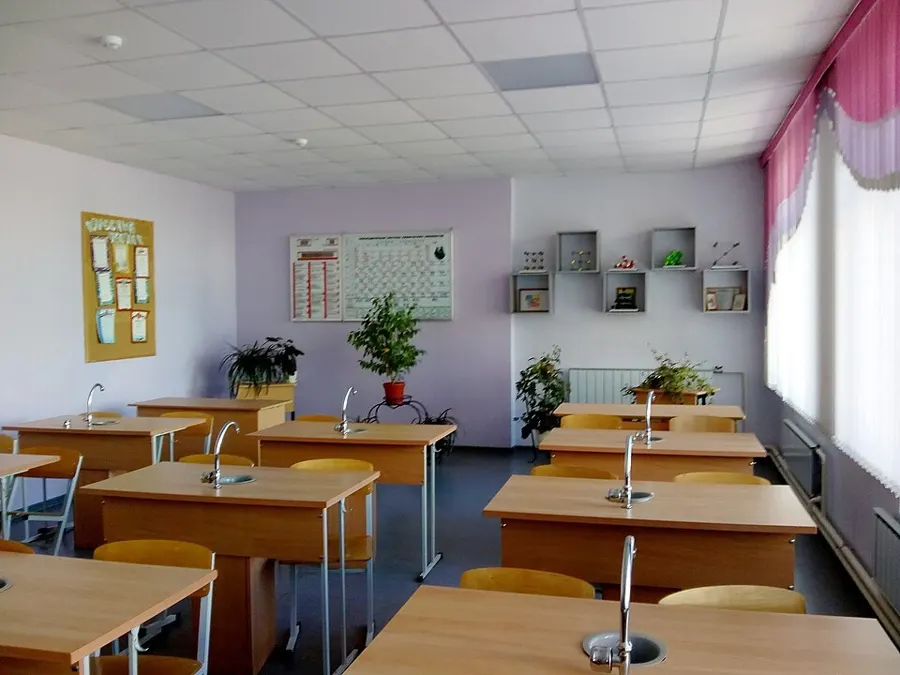
Primary classes usually have their own room: desks for two, a board, a small class library. Pupils wear indoor shoes, and coats stay in the cloakroom.
Timetable and hours
The school year starts on 1 September. In grade 1, lessons are shorter at the start of the year and the load grows gradually. Many schools run one shift.
An example day (varies by school)
- Lesson 1 · Russian
- Lesson 2 · Maths
- Active break / walk outside
- Lesson 3 · Literary reading
- Lesson 4 · The world around us
Grade 1: hours per week (official plan)
| Subject | Hours |
|---|---|
| Russian language | 5 |
| Literary reading | 4 |
| Mathematics | 4 |
| The world around us | 2 |
| Visual arts | 1 |
| Music | 1 |
| Work and technology | 1 |
| Physical education | 2 |
| Total | 20 |
What is taught and who teaches it
The primary class teacher teaches Russian, literary reading, maths and the world around us. A foreign language (from grade 2), music and PE are often taught by subject teachers.
Uniform and clothing
Each school sets its own dress rules; many have a uniform or a smart dress code. Ask the class teacher for the exact rules.
Children usually need indoor shoes, a PE kit, and smarter clothes (for example a white shirt or blouse) for ceremonies.
What to pack
Before school
- Check the timetable the evening before; pack the bag and indoor shoes.
- Breakfast, and clothes for the weather.
- Check assignments in the electronic diary.
After school
- The extended-day group or rest at home, then homework.
- In grade 1 there is usually little or no homework; reading and play are enough.
- A walk, a club, active games.
After school: preparation and activities
- After-school group: in many schools children stay with a teacher after lessons, go outside and do their tasks.
- Preparation: in grade 1 there is no homework or very little; reading and play are enough.
- Extra activities: sports clubs, music and art schools, hobby groups.
What your child needs today
Every lesson page starts with a “For this lesson you need” box: check it and pack the bag the evening before.
These pages are general descriptions: each school sets its own timetable and dress rules.
 About cookies