


A pupil’s school day around the world
England (UK)
How a pupil gets to school, what the classroom and timetable are like, what is taught and by whom, what they wear, what goes in the bag, and how they prepare and spend time after school.
How children get to school
- Parents walk primary children to the school gate and collect them there.
- Many walk; some come by car or bus.
A typical school day
 In England children start school at 4–5 in Reception, followed by Year 1.
 The day usually starts with registration and assembly, with a morning break and a lunch break.
 Early years focus on learning to read through phonics; there is a phonics screening check in Year 1.
The classroom
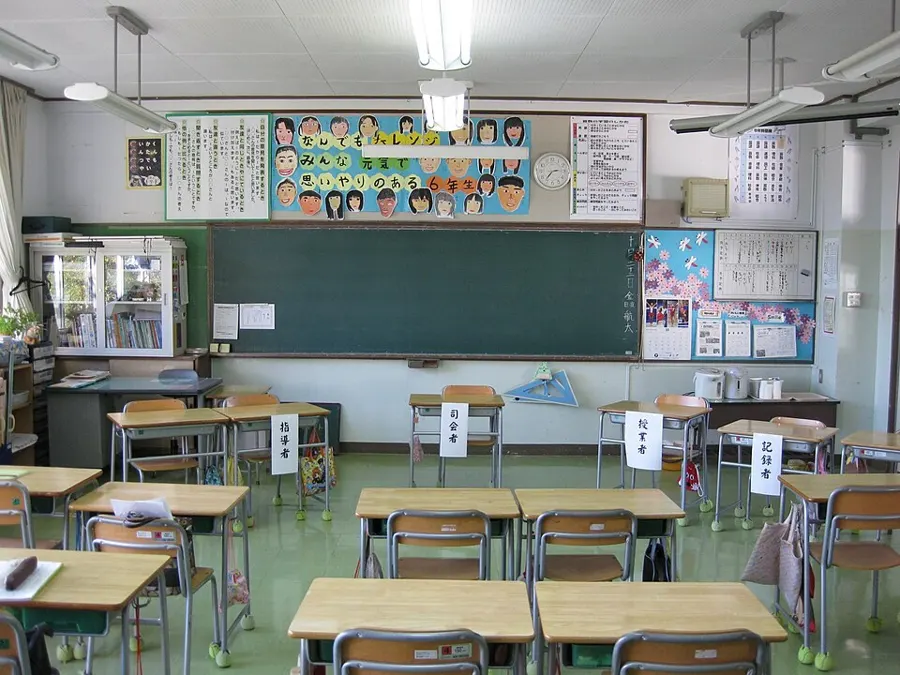
Children sit at group tables; a carpet area and an interactive whiteboard are common.
Timetable and hours
The day starts with registration and assembly; there is a morning break and lunchtime. The school year starts in September.
An example day (varies by school)
- Registration and assembly
- Phonics
- Maths
- Lunch
- Topic lessons (history, geography, science)
What is taught and who teaches it
The class teacher teaches most subjects, often with a teaching assistant.
Uniform and clothing
Most schools in England have a uniform; the school chooses the colours and style. There is a separate PE kit.
What to pack
Before school
- Is the reading book and reading record in the book bag?
- Are the uniform and PE kit ready?
After school
- A short shared read every day and a note in the reading record.
- Clubs, play and rest.
After school: preparation and activities
- After-school clubs, sport and music.
- A short shared read every day and a note in the reading record.
What your child needs today
Every lesson page starts with a “For this lesson you need” box: check it and pack the bag the evening before.
These pages are general descriptions: each school sets its own timetable and dress rules.
 About cookies